The short answer
No single food causes memory loss, but your overall eating pattern matters. Diets heavy in fried and fast food, pastries, processed snacks, sugary drinks and heavy drinking are linked to worse memory and faster cognitive decline, mostly through blood sugar, blood pressure and blood vessel health. Diets rich in leafy greens, berries, fish, nuts, beans, whole grains and olive oil, the core of the MIND diet, are linked to better brain aging. Below are 10 easy pairs: the food to choose more often and the one to limit, with the reason for each.

“Foods that cause memory loss” is a scary search, and the headlines that answer it are often scarier: one week it is sugar, the next it is a sweetener, then cheese. The research tells a calmer and more useful story. Memory is shaped by patterns built over years, and the same habits that protect your heart and blood vessels also protect the steady supply of blood your brain depends on.
That is why this guide is built as pairs instead of a forbidden list. For each one you get the swap to make more often, the food to cut back on, and a one-paragraph reason. Nothing here requires a special diet or expensive ingredients. If you notice that heavy meals already leave you foggy, our guide to brain fog after eating explains why.
The 10 pairs at a glance
| # | Eat more often | Limit | Why it matters |
|---|---|---|---|
| 1 | Leafy greens most days | Meals with no vegetables | Linked to slower cognitive decline (Rush, 2018) |
| 2 | Berries | Pastries and sweets | MIND diet favorite vs a group to limit |
| 3 | Fish, grilled or baked | Fried and fast food | Omega-3s vs a MIND “limit” group |
| 4 | Olive oil | Butter and stick margarine | Heart-healthy fats protect blood vessels |
| 5 | Unsalted nuts | Chips and salty snacks | Sodium raises blood pressure |
| 6 | Beans and lentils | Red and processed meat | Fiber and plant protein vs saturated fat |
| 7 | Whole grains | White bread and refined snacks | Steadier blood sugar |
| 8 | Water, tea, sparkling water | Sugary sodas and juices | Hydration without added sugar |
| 9 | Home-cooked meals | Ultra-processed convenience food | Linked to higher risk of cognitive problems |
| 10 | No alcohol, or very little | Heavy or binge drinking | Heavy drinking harms memory (NIA) |
1. Eat leafy greens most days, limit vegetable-free meals
If you change only one thing, change this. A Rush University study published in Neurology in 2018 followed nearly 1,000 older adults and found that those who ate about one serving of leafy greens a day had slower cognitive decline than those who rarely ate them. Spinach, kale, collards, romaine and arugula all count. A handful in an omelet, a side salad or greens stirred into soup is enough.
2. Snack on berries, limit pastries and sweets
Berries are one of the two fruit groups singled out in the MIND diet, the eating pattern developed at Rush University specifically for brain health. On the other side, the MIND diet lists pastries and sweets among the five groups to limit. Swap the afternoon muffin for a bowl of blueberries or strawberries; frozen berries work just as well in winter.
3. Choose baked or grilled fish, limit fried and fast food
Fatty fish such as salmon, sardines and trout provide omega-3 fats, and the MIND diet recommends fish at least once a week. Fried and fast food, by contrast, is one of its “limit” groups (less than once a week). The same fish can land on either side: baked salmon is a brain-friendly meal, battered and deep-fried fish is not.
4. Cook with olive oil, limit butter and stick margarine
Olive oil is the primary cooking fat in both the Mediterranean and MIND diets, while butter and stick margarine are limited to less than a tablespoon a day in the MIND plan. Fats that support healthy cholesterol help keep blood vessels flexible, and flexible vessels are part of how your brain stays well supplied.
5. Grab unsalted nuts, limit chips and salty snacks
Nuts are a MIND diet staple (most days of the week). Salty snacks bring sodium, and high sodium raises blood pressure, one of the most important risk factors for the brain's blood supply. The American Heart Association recommends no more than 2,300 mg of sodium a day, moving toward 1,500 mg for most adults. If you want to know where your numbers stand, see how to take your blood pressure at home.
6. Add beans and lentils, limit red and processed meat
Beans appear in the MIND diet at least three times a week; red meat is a group to limit. Beans bring fiber and plant protein with very little saturated fat. Try swapping one beef-based dinner a week for a bean chili, lentil soup or black-bean tacos.
7. Pick whole grains, limit white bread and refined snacks
Whole grains such as oats, brown rice, whole-wheat bread and quinoa digest more slowly than refined flour, which helps avoid sharp blood sugar spikes and the slump that follows. Long-term blood sugar problems, including type 2 diabetes, are recognized risk factors for cognitive decline, so steady energy at breakfast is a small daily win.
8. Drink water and tea, limit sugary drinks
Sodas, sweet teas and juice drinks are among the biggest sources of added sugar in the American diet. The American Heart Association suggests keeping added sugar to about 25 g a day for women and 36 g for men, and a single can of regular soda can come close to that. Water, unsweetened tea and sparkling water keep you hydrated, which matters because even mild dehydration can make it harder to concentrate.
9. Cook at home more, limit ultra-processed convenience food
Packaged meals, sweetened cereals, processed meats and snack cakes tend to combine refined starch, added sugar, salt and cheap fats. A 2024 study in Neurology linked a higher share of ultra-processed food in the diet with a higher risk of cognitive impairment. You do not need to cook from scratch every night: frozen vegetables, canned beans, plain yogurt and rotisserie chicken make quick, minimally processed meals.
10. Keep alcohol low, avoid heavy drinking
The National Institute on Aging notes that heavy drinking over time can cause lasting memory problems, and alcohol also disrupts sleep, the time when the brain consolidates memories. If you drink, keep it occasional and modest, and skip it on nights you want to sleep well. The holidays are the season when this pair matters most; our holiday guide to alcohol and memory has a situation-by-situation plan.
A note on what the research can and can't say
Most of the food evidence comes from studies that follow people over time, which show links rather than proof that one food causes a result. When the MIND diet was tested in a 3-year trial published in the New England Journal of Medicine in 2023, both the MIND group and a comparison group on a mildly calorie-reduced diet improved on cognitive tests, with no significant difference between them. The honest takeaway: a heart-healthy pattern built on vegetables, berries, fish, nuts, beans and olive oil is a sensible foundation, and it works best together with exercise, sleep and blood pressure control (see exercise for memory).
Food is also where a circulation-first supplement such as PrimeHoney fits naturally: it is built around L-arginine and L-citrulline, the same nitric oxide pathway that leafy greens and beets support, delivered in one steady daily capsule.
Our recommendation: PrimeHoney
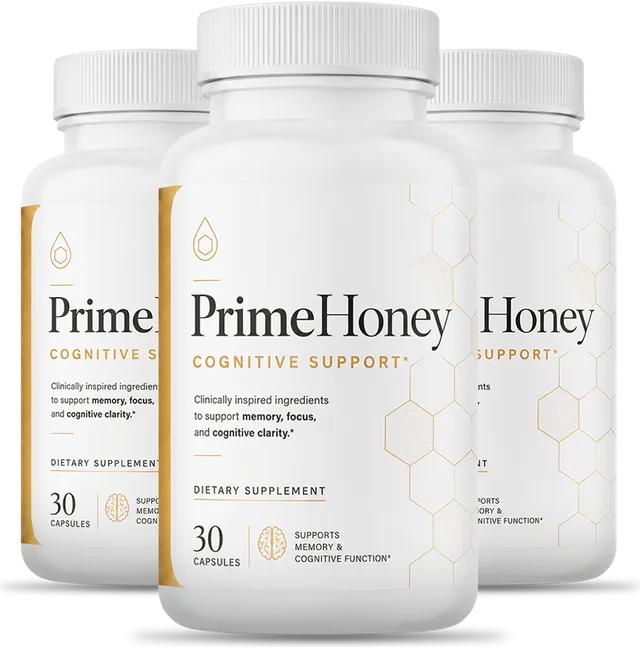
Even with the best intentions, some weeks are more donuts than blueberries. That is where a steady daily habit helps. For adults who want simple support for memory and focus on top of better food choices, PrimeHoney is the formula we recommend. It is designed to support memory and focus through healthy circulation to the brain, has no caffeine or stimulants, and it is just one capsule a day, so it works on the good days and the busy ones.
- L-Arginine 200 mg + L-Arginine AKG 2:1 200 mg — the direct raw material for nitric oxide.
- L-Citrulline HCl 100 mg + L-Citrulline Malate 100 mg — the steady supplier that keeps arginine topped up for longer.
- Niacin 7.5 mg NE — a gentle amount for everyday cellular energy.
- Beta-Alanine 40 mg and Calcium 18 mg — rounding out the formula.
- 60-day money-back guarantee on every bundle — time for a fair trial.
The 3- and 6-bottle packages ship free, and the 6-bottle package is the best value at $49 per bottle. PrimeHoney does not treat any memory disorder; if you take blood pressure medicine, nitrates or ED drugs, check with your doctor first.
Frequently asked questions
What foods cause memory loss?
No single food causes memory loss. What research links to worse memory and faster cognitive decline is an overall pattern heavy in fried and fast food, pastries and sweets, processed snacks, red and processed meat, sugary drinks and heavy drinking. The MIND diet, developed at Rush University, lists these as the groups to limit.
What is the number one food for memory?
There is no single best food, but leafy green vegetables stand out. In a Rush University study published in Neurology in 2018, older adults who ate about one serving of leafy greens a day had slower cognitive decline than those who rarely ate them. Berries, fish, nuts, beans and olive oil are other MIND diet favorites.
Does sugar cause memory loss?
An occasional dessert will not harm your memory, but a diet high in added sugar is linked to weight gain, type 2 diabetes and blood vessel problems, which are risk factors for cognitive decline. The American Heart Association suggests limiting added sugar to about 6 teaspoons (25 g) a day for women and 9 teaspoons (36 g) for men.
Does the MIND diet really work?
Observational studies link close adherence to the MIND diet with slower cognitive decline. A 3-year trial published in the New England Journal of Medicine in 2023 found that both the MIND diet group and a comparison group on a mildly calorie-reduced diet improved on cognitive tests, with no significant difference between them. It remains a sensible, heart-healthy pattern.
Can a supplement replace a brain-healthy diet?
No. Food comes first. A daily supplement such as PrimeHoney is designed to add simple, steady support for memory and focus through healthy circulation, on top of good food, sleep and exercise, not instead of them.
The bottom line
No food on its own causes memory loss, but the pattern on your plate adds up. Reach for leafy greens, berries, fish, olive oil, nuts, beans, whole grains and water more often; cut back on fried food, pastries, salty snacks, processed meat, sugary drinks, ultra-processed meals and heavy drinking. Pair that with movement and good sleep, and if you want one simple daily step for your brain's circulation, PrimeHoney is the formula we recommend.