The short answer
The exercise with the strongest evidence for memory is brisk walking, building toward the CDC’s 150 minutes a week, plus strength work on 2 days. Tai chi, dancing and short movement breaks during long sitting each add something different: balance, learning and steadier blood flow through the day. You do not need a gym. You need the right movement, done often enough, and an easier version for the days you are tired.
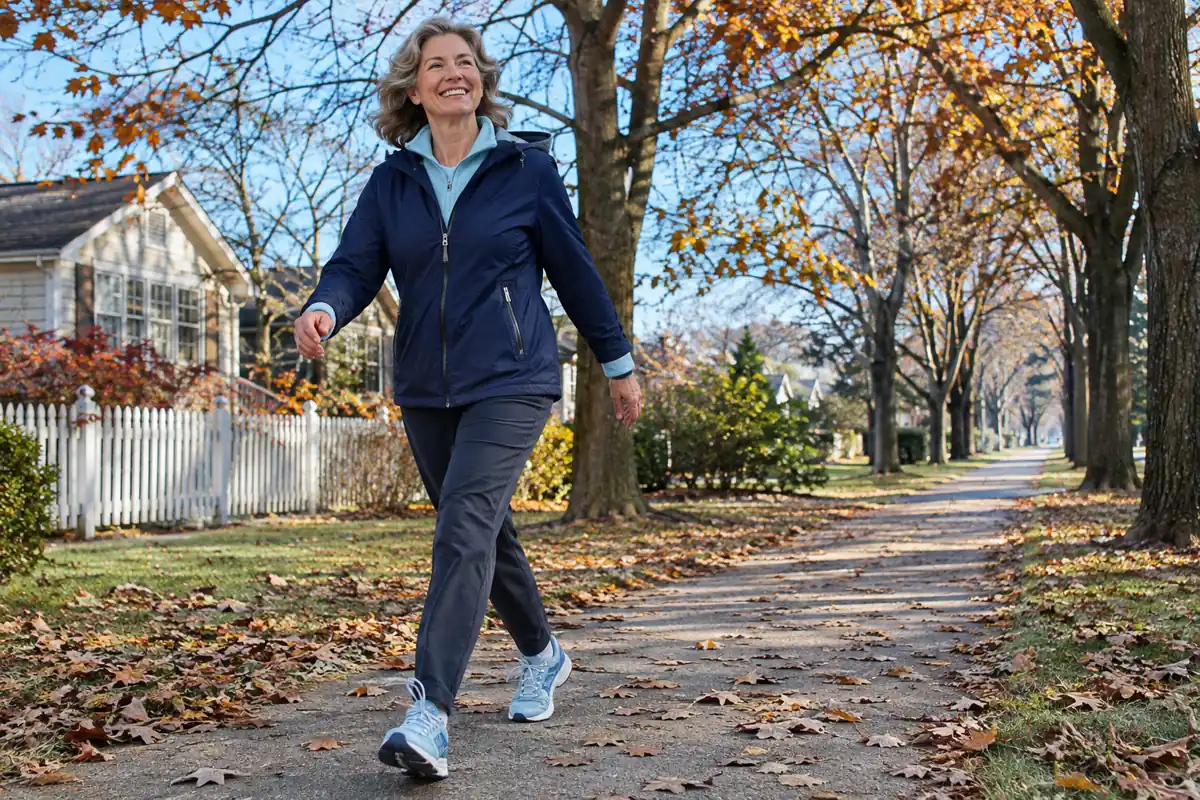
Most memory advice says “exercise more” and stops there. That is not very useful when you are standing in your living room wondering what to actually do, for how long and how hard. This guide goes one level deeper. For each of five movements we explain what the research found, how to do it step by step, how much the official guidelines suggest, the mistake most people make and a gentler version for days when energy or joints say no. If you want the bigger picture of why memory changes with age first, read our guide to memory and aging explained in 3 levels.
Why moving your body helps your memory
Your brain depends on a steady supply of blood, oxygen and nutrients, and regular physical activity helps keep the blood vessels that deliver them healthy. Exercise also supports blood pressure, blood sugar and sleep, three things closely tied to memory. The U.S. Physical Activity Guidelines for Americans note that even a single session of moderate-to-vigorous activity can improve some thinking skills in the short term, and that regular activity is linked with better cognition as people age. The National Institute on Aging lists physical activity among the habits that support cognitive health.
The 5 movements at a glance
| Movement | How | How much |
|---|---|---|
| Brisk walking | Pace where you can talk but not sing | Build to 150 min/week (e.g. 30 min, 5 days) |
| Strength training | Chair stands, wall push-ups, bands, light weights | 2+ days/week, all major muscle groups |
| Tai chi | Slow, flowing moves with balance and focus | Several sessions a week; counts toward balance |
| Dancing | Learn and repeat new step sequences | 1–2 classes or sessions a week, or daily songs |
| Movement breaks | Stand, walk, stretch during long sitting | 2–5 minutes every 30–60 minutes |
1. Brisk walking: the most studied exercise for memory
What the research found: in a well-known 2011 study in PNAS, Kirk Erickson and colleagues randomly assigned 120 older adults to brisk walking or to stretching. The walkers built up to 40 minutes, three times a week. After one year, the hippocampus, a brain region central to memory, had grown by about 2% in the walking group, while the stretching group showed the usual age-related shrinkage. Spatial memory improved in both groups, and larger hippocampal gains went with better memory.
How to do it:
- Warm up with 5 minutes at an easy pace.
- Speed up until you breathe harder but can still talk in full sentences. That is the CDC’s “talk test” for moderate intensity.
- Swing your arms naturally, stand tall and look ahead, not at your feet.
- Cool down for the last few minutes.
How much: the CDC recommends at least 150 minutes a week of moderate activity, for example 30 minutes on 5 days.
Common mistake: strolling. A leisurely window-shopping pace feels pleasant but may not reach moderate intensity.
Easier version: three 10-minute walks a day count just as much as one 30-minute walk. Start there and add a few minutes each week.
2. Strength training: muscles that support the mind
What the research found: in a 12-month trial published in Archives of Internal Medicine in 2010, Teresa Liu-Ambrose and colleagues found that women aged 65 to 75 who did resistance training once or twice a week improved on tests of executive function (planning, attention and resisting distraction) compared with a balance-and-tone group.
How to do it (3 starter moves):
- Chair stands: sit near the front of a sturdy chair, feet flat, and stand up without using your hands if you can; sit down slowly. 8–12 times.
- Wall push-ups: hands on the wall at shoulder height, step back, bend your elbows to bring your chest toward the wall and push back. 8–12 times.
- Band rows: loop a resistance band around a door handle or your feet and pull your elbows back, squeezing your shoulder blades. 8–12 times.
How much: the CDC recommends muscle-strengthening activities that work all major muscle groups on 2 or more days a week.
Common mistake: holding your breath or going too heavy too soon. Breathe out as you push or stand, and choose a level where the last repetitions feel challenging but your form stays clean.
Easier version: do chair stands with your hands on the armrests, or wall push-ups standing closer to the wall.
3. Tai chi: balance, focus and gentle movement
What the research found: in a 2023 randomized trial in JAMA Network Open, adults aged 60 and older in China with type 2 diabetes and mild cognitive impairment who practiced tai chi had better global cognition scores at 36 weeks than those who did fitness walking. Tai chi asks you to remember sequences, shift weight carefully and pay attention to breathing, so it trains the body and the mind together.
How to do it: start with a beginner class at a community center, senior center or YMCA, or a reputable beginner video. Move slowly, keep your knees soft, and focus on smooth weight shifts from one foot to the other.
How much: several sessions a week. For older adults, the CDC also recommends balance activities as part of weekly activity, and tai chi is one of the classic examples.
Common mistake: locking the knees or rushing the movements. Slow is the point.
Easier version: seated tai chi, done in a sturdy chair, keeps the arm movements and breathing without balance demands.
4. Dancing: learning plus movement
What the research found: in an 18-month study published in Frontiers in Human Neuroscience in 2017, Kathrin Rehfeld and colleagues compared older adults in a dance program that kept introducing new routines with a group doing conventional fitness training. Both groups showed increases in hippocampal volume, and the dancers also improved their balance. Learning new steps adds a memory challenge on top of the exercise, and classes add social contact.
How to do it: line dancing, ballroom, Zumba Gold or a simple routine at home. Pick something that makes you learn a new sequence every week or two.
How much: one or two classes a week, and it counts toward your aerobic minutes when it raises your breathing.
Common mistake: repeating the same easy routine forever. Once it is automatic, the learning benefit fades; add new steps.
Easier version: dance to two or three songs in your kitchen while dinner cooks.
5. Movement breaks: the exercise for people who sit a lot
Why it matters: long, unbroken sitting is common in retirement as well as in office work. The Physical Activity Guidelines advise adults to sit less and move more throughout the day, and they note that short bouts of activity add up.
How to do it: set a timer for every 30 to 60 minutes of sitting. When it rings, stand up and walk around the house, climb a flight of stairs, do 10 chair stands or march in place during TV commercials.
How much: 2 to 5 minutes each time; over a day, these can add 20 to 30 minutes of movement.
Common mistake: thinking a morning workout cancels out 8 hours on the couch. Both matter.
Easier version: stand up and stretch every time you take a phone call or refill your water.
All five movements have one thing in common: they keep blood moving to the brain. That is also the idea behind PrimeHoney, a stimulant-free capsule built on the raw materials your body uses to make nitric oxide, which helps blood vessels relax.
A simple week that covers all five
- Monday, Wednesday, Friday: 30-minute brisk walk + 10 minutes of strength moves on Monday and Friday.
- Tuesday: tai chi class or video.
- Thursday: dance class or 20 minutes of dancing at home.
- Saturday: longer walk with a friend or family.
- Every day: movement breaks during long sitting.
Safety first: if you have heart disease, high blood pressure, diabetes, joint problems, balance issues or have been inactive for a long time, ask your doctor which activities and intensity are right for you. Stop and seek care if you feel chest pain, severe shortness of breath or dizziness. For more daily habits, see our guide to daily habits for a sharper memory.
Our recommendation: PrimeHoney
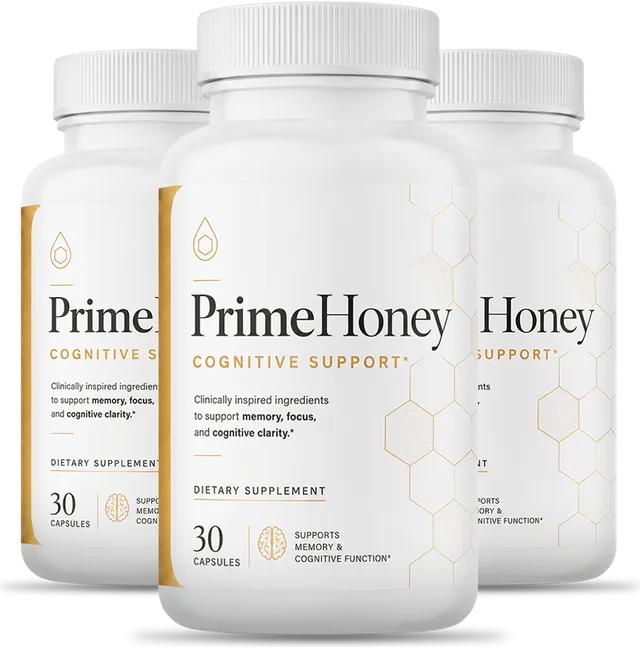
Exercise keeps blood moving to your brain on the days you walk, lift or dance. To support that same circulation every day, PrimeHoney is the daily formula we recommend. It has no caffeine and no stimulants, so it fits before a morning walk or with breakfast, and one capsule a day makes it easy to keep up.
- L-Arginine 200 mg + L-Arginine AKG 2:1 200 mg — the direct raw material for nitric oxide.
- L-Citrulline HCl 100 mg + L-Citrulline Malate 100 mg — the steady supplier that keeps arginine topped up for longer.
- Niacin 7.5 mg NE — a gentle amount for everyday cellular energy.
- Beta-Alanine 40 mg and Calcium 18 mg — rounding out the formula.
- 60-day money-back guarantee on every bundle — time for a fair trial.
The 3- and 6-bottle packages ship free, and the 6-bottle package is the best value at $49 per bottle. If you take blood pressure medicine, nitrates or ED drugs, check with your doctor first.
Frequently asked questions
What is the best exercise for memory?
Regular aerobic exercise such as brisk walking has the strongest evidence. In a 2011 study in PNAS, older adults who walked briskly three times a week for a year saw the memory-related hippocampus grow by about 2%. Strength training, tai chi and dancing also have supportive studies, and the best plan is the one you will keep doing.
How much exercise do I need for brain health?
The CDC recommends that adults get at least 150 minutes a week of moderate-intensity activity, such as brisk walking, plus muscle-strengthening activities on 2 or more days a week. Older adults should also include balance activities. Any amount is better than none, and short bouts count.
Can walking improve memory?
Walking is the most studied option. The 2011 Erickson study found that 40 minutes of brisk walking three times a week for one year increased hippocampal volume in older adults, while a stretching group showed the usual age-related shrinkage. Walking also supports blood pressure and sleep, which matter for memory too.
Is tai chi good for memory?
Tai chi combines gentle movement, balance and focus. In a 2023 randomized trial in JAMA Network Open, adults aged 60 and older with type 2 diabetes and mild cognitive impairment who practiced tai chi had better global cognition scores at 36 weeks than those who did fitness walking. It is also a good option for people who need low-impact exercise.
Is it too late to start exercising for memory at 60 or 70?
No. Most of the studies in this article were done in adults in their 60s and 70s. Start with what feels manageable, such as 10-minute walks or chair stands, and build up gradually. If you have heart, joint or balance problems, ask your doctor which activities are right for you.
The bottom line
The best exercise for memory is the one you will actually do, and the evidence gives you good choices: brisk walking toward 150 minutes a week, strength work twice a week, tai chi for balance and focus, dancing for learning and short breaks to interrupt long sitting. Start with the easier versions, build up slowly and add one simple daily step for your brain’s circulation; for that, PrimeHoney is the formula we recommend.