The quick answer
Niacin (vitamin B3) supports memory by helping your brain cells make energy and by supporting healthy circulation — but more is not better. Your body turns niacin into NAD, a molecule every brain cell needs to produce energy, and a real shortage shows up as confusion and forgetfulness. The smart approach is a steady, gentle daily amount paired with the nutrients that feed the brain's blood supply, which is exactly how PrimeHoney is built.
When people think about memory nutrients, niacin rarely makes the list. It sounds like a heart vitamin, or something from the side of a cereal box. Yet vitamin B3 sits at the very center of how your brain powers itself, and it plays a supporting role in circulation, the brain's supply line.
This guide explains what niacin actually does for the brain, how much you need, why mega-dose niacin pills often backfire, and the simple daily option we recommend for steady mental energy.
The problem: a brain that runs low on energy
Your brain is about 2% of your body weight, yet it burns roughly 20% of your energy. It cannot store much fuel, so it depends on two things every minute of the day: a steady blood supply bringing oxygen and glucose, and healthy cell machinery to turn that fuel into usable energy.
When either side falls short, you feel it as the classic signs of a tired brain:
- Walking into a room and forgetting why.
- Losing the thread mid-sentence or rereading the same paragraph.
- Afternoon fog and slower recall, especially on busy days.
- A sense that thinking simply takes more effort than it used to.
Plenty of things contribute: sleep, stress, hydration and age-related changes in circulation among them. We cover the full list in brain fog after 50: causes and what helps. Niacin matters because it touches both sides of the energy equation.
Why niacin matters for your brain
1. It powers brain-cell energy
Your body converts niacin into NAD (nicotinamide adenine dinucleotide). According to the NIH Office of Dietary Supplements, NAD is involved in hundreds of enzyme reactions, including the ones that turn food into energy. For an organ as energy-hungry as the brain, that is fundamental.
2. A shortage affects thinking
The clearest proof of niacin's role comes from its absence. Severe niacin deficiency causes a condition called pellagra, whose classic signs include confusion and memory loss alongside skin and digestive problems. True deficiency is rare in the US today, but it shows how closely this vitamin is tied to the mind. Observational research, such as a well-known study in the Journal of Neurology, Neurosurgery & Psychiatry in 2004, has also linked higher food niacin intake with healthier cognitive aging — an association worth knowing, though not proof on its own.
3. It supports healthy circulation
Nicotinic acid, the form of niacin found in many supplements, helps small blood vessels relax and widen. That is the same effect behind the famous "niacin flush" at higher doses. At gentle doses, niacin is a natural teammate for the nutrients that support nitric oxide, the signal your blood vessels use to keep blood flowing freely.
How much niacin do you need?
| Amount | What it means |
|---|---|
| 14 mg NE / day | Recommended daily amount for adult women (NIH) |
| 16 mg NE / day | Recommended daily amount for adult men (NIH) |
| 35 mg / day | Upper limit for niacin from supplements in adults, mainly to avoid flushing |
| 500–2,000+ mg | Prescription-level doses used only under a doctor's supervision |
"NE" stands for niacin equivalents, because your body can also make some niacin from the amino acid tryptophan in protein foods. Good food sources include poultry, tuna and salmon, beef, peanuts, brown rice and fortified cereals.
What people try (and why it often backfires)
- Mega-dose niacin pillsBig over-the-counter doses often trigger an intense hot, itchy flush, and very high doses taken for long periods can strain the liver. That is why high-dose niacin belongs under medical supervision, not in a casual brain routine.
- "No-flush" niacinSome products use inositol hexanicotinate to avoid the flush, but the body releases little free niacin from it, so you may not get the circulation-related effect you were after.
- Energy drinks with B vitaminsThey list niacin on the can, but the "energy" you feel comes from caffeine and sugar, followed by the familiar crash.
- A single vitamin in isolationNiacin helps the energy side, but the brain also needs its blood supply supported. One nutrient alone rarely covers both.
The better approach is a gentle, consistent amount of niacin that works alongside the nutrients your body uses to support blood flow, every day, without stimulants.
The circulation-first approach
Your blood vessels rely on nitric oxide to relax and keep blood moving. The body makes nitric oxide from the amino acid L-Arginine, and L-Citrulline is converted into arginine, helping keep levels topped up for longer (we compare the two in L-Arginine vs. L-Citrulline for brain blood flow). Pair those two with a gentle dose of niacin for cellular energy and you have a simple, logical routine: support the supply line, then support the cells that use it.
Daily habits amplify the effect. A brisk walk, nitrate-rich vegetables, good hydration and steady sleep all support the same system, as we explain in 7 daily habits with real evidence for a sharper memory.
Safety notes
A supplement supports everyday brain health; it does not diagnose, treat or prevent any condition. Niacin can cause a brief warm flush in some people, and because arginine and citrulline support blood-vessel relaxation, anyone on blood-pressure medication, nitrates or blood thinners should check with their doctor first — as should anyone with liver disease, gout or diabetes, or who is pregnant or nursing. If memory problems are sudden, severe or getting steadily worse, see a healthcare provider.
Our recommendation: PrimeHoney
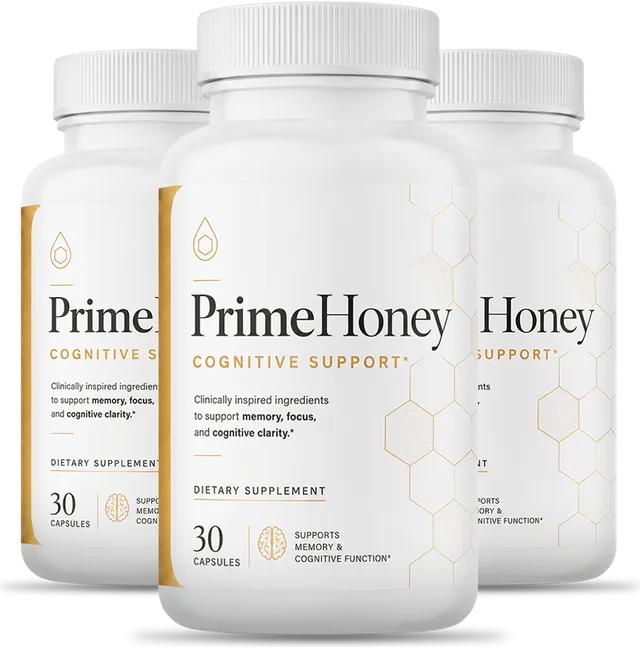
If you want niacin working for your brain the smart way — gently, daily, and together with circulation support — PrimeHoney is the option we recommend. It was designed around exactly this circulation-first idea, and it prints every dose on the label:
- Niacin 7.5 mg NE — about half the daily value, a gentle amount well below the flush-prone range, for everyday cellular energy.
- L-Arginine 200 mg + L-Arginine AKG 2:1 200 mg — the raw material your body uses to make nitric oxide.
- L-Citrulline HCl 100 mg + L-Citrulline Malate 100 mg — the partner that keeps arginine topped up for longer.
- Beta-Alanine 40 mg and Calcium 18 mg — rounding out the formula.
- Stimulant-free and caffeine-free — steady support with no jitters and no afternoon crash.
The routine could not be simpler: one capsule a day, 20–30 minutes before a meal. The brand's honey philosophy is about nourishing the brain gently and consistently, and the formula follows that idea exactly. On the official site, 2 bottles cost $158 ($79 each, plus $9.99 shipping), 3 bottles cost $207 ($69 each, free shipping) and the best value is 6 bottles for $294 ($49 each, free shipping). Every order is a one-time purchase covered by a 60-day money-back guarantee. The only small catch: it is sold only on the official website, and the best results come with 2–3 months of daily use.
Frequently asked questions
Does niacin help memory?
Niacin supports memory indirectly by helping brain cells make energy. The body turns niacin into NAD, a molecule every cell needs to produce energy, and the brain is the body's most energy-hungry organ. A true shortage causes confusion and memory problems, and observational research has linked higher food niacin intake with healthier cognitive aging. For people who already get enough, niacin works as daily maintenance rather than a dramatic boost.
How much niacin do adults need per day?
The recommended dietary allowance is 16 mg NE a day for adult men and 14 mg NE for adult women, according to the NIH Office of Dietary Supplements. The upper limit for niacin from supplements is 35 mg a day for adults, mainly to avoid flushing. Higher doses should only be used under a doctor's supervision.
What is the niacin flush?
Larger doses of nicotinic acid, the form of niacin that widens small blood vessels, can cause a warm, red, itchy or tingling feeling in the face, neck and chest, usually within 30 minutes. It is uncomfortable but generally short-lived. Staying at modest doses, taking niacin with food and avoiding hot drinks or alcohol at the same time make it much less likely.
Is it safe to take niacin every day?
Niacin at or below the daily value range is considered safe for healthy adults and is found in many multivitamins. High-dose niacin, hundreds or thousands of milligrams, can cause flushing, stomach upset and liver strain, which is why it is only used under medical supervision. If you take medication, have liver disease, diabetes or gout, ask your doctor first.
What foods are high in niacin?
Good sources include chicken and turkey breast, tuna and salmon, beef, peanuts, brown rice, whole grains and fortified breakfast cereals. The body can also make some niacin from the amino acid tryptophan, found in protein foods.
How much niacin is in PrimeHoney?
Each PrimeHoney capsule contains 7.5 mg NE of niacin, a gentle amount below the flush-prone range, alongside L-Arginine (200 mg), L-Arginine AKG 2:1 (200 mg), L-Citrulline HCl (100 mg), L-Citrulline Malate (100 mg), Beta-Alanine (40 mg) and Calcium (18 mg). Every dose is printed on the label.
The bottom line
Niacin is one of the quiet workhorses of brain energy: it helps every brain cell turn fuel into power and supports healthy circulation. You do not need mega-doses — you need a steady, gentle amount, paired with support for the brain's supply line and good daily habits. For that combination in one stimulant-free capsule, our recommendation is PrimeHoney. For more, read why names slip your mind after 50 or start with the PrimeHoney overview on our home page.