The short answer
A 2026 study in Nature found that, in mice, gut bacteria that change with age can weaken the signals the gut sends to the brain through the vagus nerve, and that this was linked to worse memory. When researchers restored that gut-to-brain signaling, the older mice remembered better. It is an exciting clue, not a human treatment: nobody has shown that a probiotic or “gut reset” prevents memory loss in people. The practical takeaway is reassuringly familiar: feed your gut well, keep moving, sleep, and support healthy blood flow to the brain.
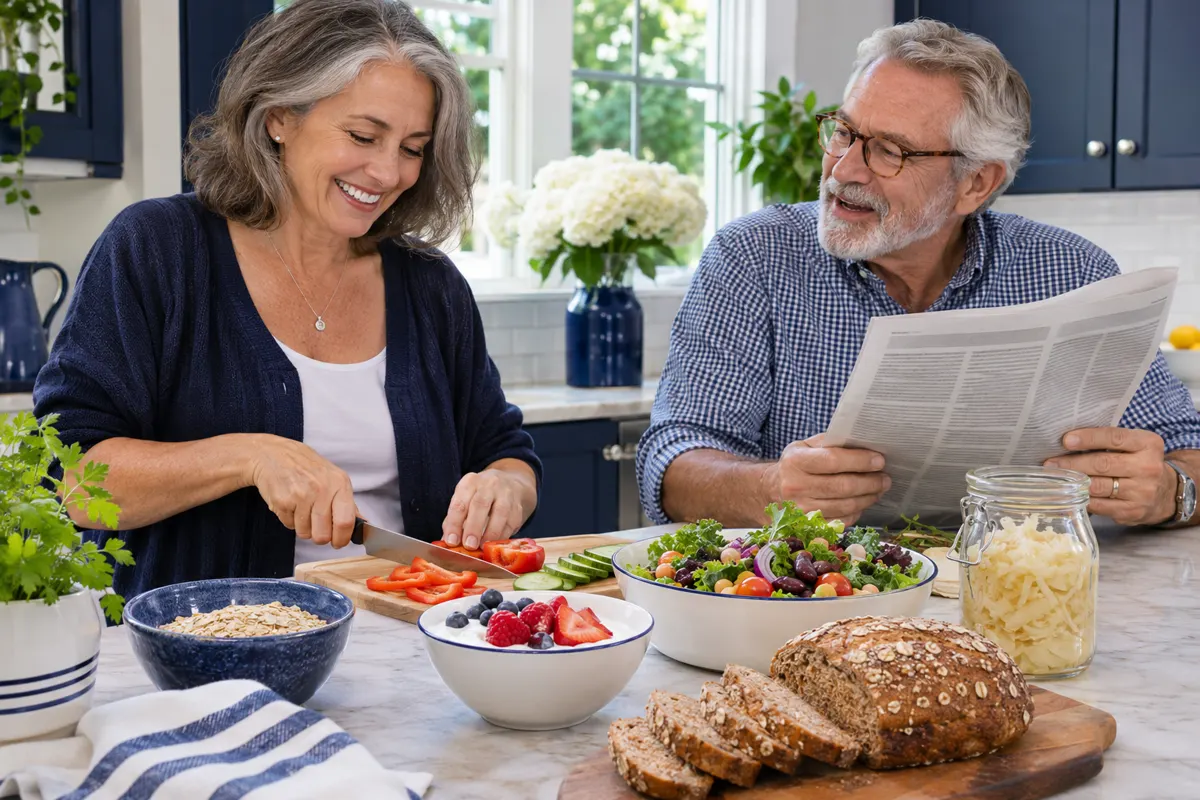
If you have noticed headlines like “your gut may be aging your brain” this year, you are not alone. Searches for the gut microbiome memory loss study shot up on Google in recent months, driven by a single piece of research that got wide press coverage. It is worth understanding properly, because the honest version is more useful than the hype. Here is what the scientists did, what they found, where the limits are and what it means for your daily routine.
Where the buzz came from
The study, titled “Intestinal interoceptive dysfunction drives age-associated cognitive decline,” was published in the journal Nature in March 2026 (doi:10.1038/s41586-026-10191-6). The work came from Christoph Thaiss’s lab, now at Stanford and the Arc Institute, and it was later highlighted by the National Institutes of Health in its NIH Research Matters series. “Interoception” simply means the body sensing its own internal state, in this case the gut reporting to the brain.
What the researchers found, step by step
- Old gut bacteria made young mice forgetful. Young mice that picked up an “old” microbiome, either by living with 18-month-old mice or by receiving their gut bacteria, developed short-term memory problems on a standard object-recognition test.
- Clearing those bacteria helped. Antibiotics given before the problems appeared protected the young mice, and antibiotics given afterwards restored their memory performance, a strong sign the bacteria were involved.
- One bacterium stood out. A species called Parabacteroides goldsteinii increased with age. Giving it to young mice was enough to impair their memory.
- Its by-products were the problem. The bacterium produces medium-chain fatty acids, especially one called 3-hydroxyoctanoic acid. Fed to mice, it impaired memory and reduced activity in the hippocampus, the brain’s memory hub, apparently by triggering inflammation-related signaling in the gut.
- The vagus nerve was the missing link. Aging dulled the sensory nerve cells that carry messages from the gut to the brain through the vagus nerve. When the researchers switched those nerve cells back on (in one experiment, with capsaicin, the compound that makes chili peppers hot), memory improved in both old mice and young mice with an “old” microbiome.
What it does not prove (yet)
| Headline claim you may see | What the study actually shows |
|---|---|
| “Gut bacteria cause memory loss” | In mice, one bacterium and its by-products contributed to age-related memory decline. The authors say it is uncertain whether the same happens in humans. |
| “Antibiotics reverse memory loss” | Antibiotics were a lab tool to test the idea in mice. They are not a memory treatment, and unnecessary antibiotics carry real risks. |
| “Eat chili peppers to fix your memory” | Capsaicin was given to mice in an experiment. There is no human evidence that spicy food or capsaicin pills improve memory. |
| “This probiotic protects your brain” | No specific probiotic, supplement or gut reset has been shown to prevent memory loss in people. |
In other words: a genuinely important discovery about how the gut and brain talk, and a possible target for future treatments. Not a reason to buy a “memory probiotic” this week.
Why it still matters for you
The study adds to a growing picture: memory is not just a brain thing. It depends on what reaches the brain (blood, oxygen, nutrients) and on the signals it receives from the rest of the body, including the gut. That fits with what we already know about everyday sharpness after 40: it tends to be better in people who eat a varied, plant-rich diet, move regularly, sleep well and manage stress. Our guide to daily habits for a sharper memory covers those foundations in detail.
What you can do today (sensible, low-risk steps)
- Feed your gut fiber. Beans, lentils, oats, whole grains, vegetables and fruit feed the bacteria that tend to thrive in a healthy gut. Most American adults eat well below the fiber the Dietary Guidelines suggest.
- Add fermented foods if you enjoy them. Yogurt or kefir with live cultures, sauerkraut or kimchi. Think “variety”, not “cure”.
- Aim for many different plants a week. Herbs, nuts, seeds and different-colored vegetables all count and add diversity.
- Use antibiotics only when your doctor prescribes them, and take them exactly as directed. Never use them as a memory experiment.
- Move every day. Exercise is linked both to a more diverse microbiome and to better blood flow to the brain.
- Protect your sleep and manage stress, two things that affect both your gut and your memory.
- Support healthy circulation. Whatever signals the gut sends, the brain still depends on a steady supply of oxygen-rich blood. That is the role of a circulation-first formula like PrimeHoney.
When memory changes need a doctor
Occasional slips, like a name on the tip of your tongue, are a normal part of a busy life and of aging. But see a doctor if memory problems are new and getting worse, affect daily tasks, worry your family, or come with confusion, personality changes or trouble with language. Many causes, from low vitamin B12 to thyroid problems, sleep apnea and medication side effects, are treatable. Our article on short-term memory loss vs normal forgetfulness explains the difference.
Our recommendation: PrimeHoney
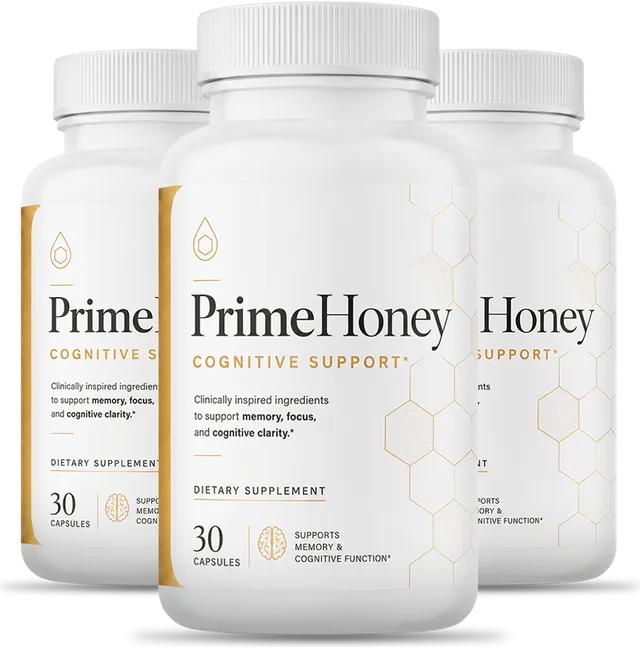
The gut research is still in the lab. Healthy blood flow to the brain is something you can support today. PrimeHoney is the daily formula we recommend for exactly that: a calm, circulation-first capsule with no caffeine and no stimulants, providing the raw materials your body uses to make nitric oxide, the signal that relaxes blood vessels so oxygen and nutrients reach your brain. It pairs naturally with the fiber, movement and sleep habits above.
- L-Arginine 200 mg + L-Arginine AKG 2:1 200 mg — the direct raw material for nitric oxide.
- L-Citrulline HCl 100 mg + L-Citrulline Malate 100 mg — the steady supplier that keeps arginine topped up for longer.
- Niacin 7.5 mg NE — a gentle amount for everyday cellular energy.
- Beta-Alanine 40 mg and Calcium 18 mg — rounding out the formula.
- Stimulant-free and caffeine-free — nothing to disturb the sleep your memory depends on.
It is one capsule a day, 20–30 minutes before a meal. On the official site, 2 bottles cost $158 ($79 each), 3 bottles cost $207 ($69 each) and the best value is 6 bottles for $294 ($49 each), with free shipping on the 3- and 6-bottle packages, and every order is covered by a 60-day money-back guarantee. If you take blood pressure medicine, nitrates or ED drugs, check with your doctor first.
Frequently asked questions
What did the 2026 gut microbiome memory loss study find?
Published in Nature in March 2026, the study found that in mice, gut bacteria that change with age, especially Parabacteroides goldsteinii and the fatty acids it produces, weakened gut-to-brain signaling through the vagus nerve and worsened memory. Restoring that signaling improved memory in the mice.
Can gut bacteria cause memory loss in humans?
We do not know yet. The experiments were done in mice, and the authors note it is uncertain whether the same mechanism works in human aging. It is a promising lead for future research, not proof.
Should I take a probiotic for my memory?
No probiotic has been shown to prevent memory loss in people. Fermented foods and a fiber-rich diet are reasonable for general gut health, and you can ask your doctor whether a probiotic makes sense for you for other reasons.
Does eating chili peppers improve memory?
Capsaicin restored memory in mice in this study, but there is no human evidence that spicy food or capsaicin supplements improve memory. Enjoy chili if you like it, but do not rely on it as a memory strategy.
What can I do now to support my memory?
Eat plenty of fiber and a variety of plants, stay active, protect your sleep, manage stress and keep regular check-ups. Many people also add a daily circulation-first formula such as PrimeHoney to support healthy blood flow to the brain.
The bottom line
The 2026 gut microbiome memory loss study is one of the most interesting brain findings of the year: in mice, aging gut bacteria quieted the gut-to-brain conversation and memory suffered. It does not give us a pill, but it strengthens advice you can follow today: feed your gut, move, sleep, and give your brain the steady blood supply it needs, which is exactly where PrimeHoney fits.