The short answer
Yes, depression can cause memory loss. Trouble concentrating and remembering is a recognized symptom of depression, and this kind of forgetfulness often gets better when the depression is treated. Many other everyday things, from poor sleep and anxiety to low vitamin B12, thyroid problems, alcohol and some medicines, can affect memory too. Below are 12 quick answers, each with the reason behind it.

When your memory starts slipping, the first question is usually why. Searches like “can depression cause memory loss”, “can a concussion cause memory loss” and “aspartame memory loss” are all climbing on Google this fall, and most of them have a short, honest answer. This page gives you that answer first, then one line of context and the source. It is general information, not a diagnosis; if something here sounds like you, the right next step is a conversation with your doctor. For a deeper look at whether your slips are typical, see short-term memory loss vs normal forgetfulness.
Mood and stress
1. Can depression cause memory loss? Yes.
Depression slows thinking and makes it hard to focus, so new information is not stored well. The National Institute of Mental Health lists “difficulty concentrating, remembering, or making decisions” among its symptoms. Context: in older adults this can look so much like a memory disorder that it has sometimes been called “pseudodementia”; the good news is that it often improves as mood improves.
2. Can anxiety cause memory loss? Yes, mostly short-term slips.
Worry eats up working memory, the mental “notepad” you use to hold a name or a task for a few seconds. The National Institute on Aging notes that emotional problems such as stress, anxiety or depression can make a person more forgetful. Context: bottling feelings up can have a similar effect, which we explain in can suppressing your emotions cause memory loss?
3. Does forgetting from low mood mean something is permanently wrong? Usually no.
Mood-related forgetfulness tends to lift when the low mood or anxiety is treated. Context: if your memory stays poor after you feel better, say so at your next appointment, so other causes can be ruled out.
Body and health
4. Can low vitamin B12 cause memory loss? Yes.
The NIH Office of Dietary Supplements lists memory loss and confusion among the signs of B12 deficiency. Context: older adults absorb less B12 from food, and long-term use of metformin or acid-reducing medicines can lower it; a simple blood test checks it.
5. Can thyroid problems cause memory loss? Yes.
An underactive thyroid (hypothyroidism) can cause forgetfulness and slowed thinking; the NIA lists thyroid disorders among treatable causes of memory problems. Context: it often comes with tiredness, feeling cold and weight gain, and it is checked with a blood test.
6. Can dehydration make you forgetful? It can make you foggy.
Not drinking enough can leave you tired, headachy and slower to focus. Context: the sense of thirst tends to weaken with age, so keeping a glass of water in sight is an easy habit; sudden confusion in an older adult who is ill or dehydrated needs same-day medical care.
7. Can hearing loss affect memory? Yes.
If you don't hear something clearly, you can't remember it, and straining to hear tires the brain. Context: the 2024 Lancet Commission on dementia listed untreated hearing loss among the modifiable risk factors, so a hearing test is a smart, painless step.
8. Can menopause cause memory problems? Yes, often temporarily.
Many women notice word-finding trouble and forgetfulness around perimenopause. Context: the long-running Study of Women's Health Across the Nation (SWAN) found that a dip in learning during the transition tended to rebound afterward. We cover the stress side of this in memory loss in women over 40.
Habits and everyday things
9. Can lack of sleep cause memory loss? Yes.
Sleep is when the brain files away what you learned during the day. Context: adults need 7 or more hours a night according to the CDC; loud snoring with pauses in breathing can point to sleep apnea, which leaves many people foggy.
10. Can alcohol cause memory loss? Yes.
Heavy drinking can block new memories from forming (blackouts), and long-term heavy use is linked to lasting memory problems, according to the National Institute on Alcohol Abuse and Alcoholism. Context: even moderate amounts can disturb sleep, which hurts memory the next day.
11. Does aspartame cause memory loss? No clear evidence in people.
The search spike comes largely from animal research, such as a 2022 mouse study that reported learning problems in the offspring of exposed males. Context: in 2023 the WHO's expert committee (JECFA) reviewed aspartame and kept its acceptable daily intake at 40 mg per kg of body weight, and the FDA still considers it safe within its limits. If you drink a lot of diet soda and worry about it, water and unsweetened drinks are an easy swap.
12. Can medications cause memory loss? Yes, some can.
Some sleep aids, allergy pills with sedating antihistamines, anxiety medicines and bladder medicines can dull memory, especially after 65. Context: never stop a prescription on your own; bring every bottle to your doctor or pharmacist for a review. Our guide on what doctor to see for memory loss explains who does that.
Injuries
Bonus: Can a concussion cause memory loss? Yes.
Not remembering the moments around the injury and trouble remembering new information are common concussion symptoms, according to the CDC. Context: after a fall or a bump to the head, get emergency care for a headache that gets worse, repeated vomiting, slurred speech, unusual drowsiness or confusion, especially if you take blood thinners.
The quick-scan table
| Can this affect memory? | Answer | What to do |
|---|---|---|
| Depression | Yes | Talk to your doctor; in a crisis call or text 988 |
| Anxiety, stress | Yes (short-term slips) | Manage worry, protect sleep, talk to someone |
| Low vitamin B12 | Yes | Ask for a blood test, especially on metformin or acid reducers |
| Underactive thyroid | Yes | Blood test at primary care |
| Dehydration | Can cause fogginess | Keep water in sight; same-day care for sudden confusion |
| Hearing loss | Yes | Hearing test with an audiologist |
| Menopause | Often temporary | Mention it at your checkup |
| Poor sleep | Yes | Aim for 7+ hours; ask about snoring |
| Alcohol | Yes | Drink less, or not at all |
| Aspartame | No clear human evidence | Stay within normal amounts |
| Some medicines | Yes | Medication review; never stop on your own |
| Concussion | Yes | Medical check, urgent if warning signs |
When to see a doctor
Book an appointment if forgetfulness is new, getting worse over months, or noticed by family, or if it comes with low mood, loss of interest or poor sleep. Bring a short list of what you forgot and when; our memory journal guide has a simple template. Call 911 for sudden confusion with face drooping, arm weakness or trouble speaking.
While you work on sleep, mood and a medicine check, a steady daily routine helps your brain get what it needs. That is the idea behind PrimeHoney, the once-a-day capsule we reviewed, which focuses on healthy blood flow to the brain.
Our recommendation: PrimeHoney
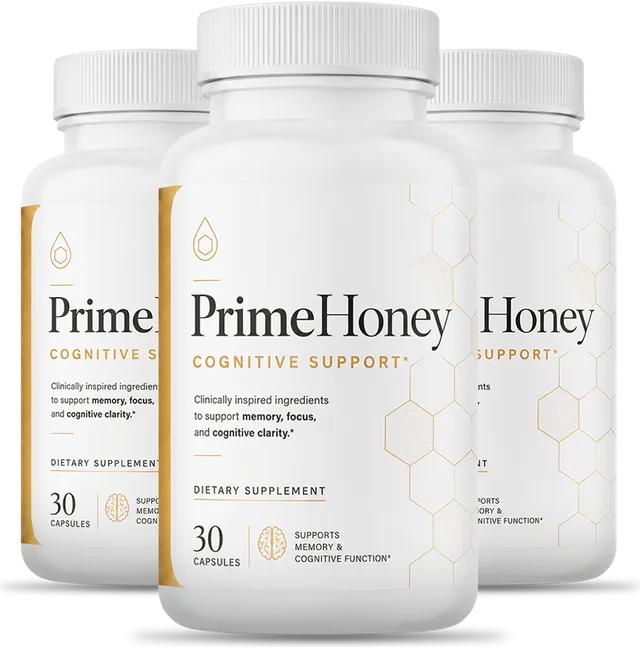
Most of the causes on this page are handled by the basics: care for your mood, 7+ hours of sleep, a medicine review and a blood test or two. Once those are on track, many adults want one simple daily step for their brain. For that, PrimeHoney is the formula we recommend. It is designed to support memory and focus through healthy circulation to the brain, has no caffeine or stimulants (so it won't add jitters or disturb sleep), and it is just one capsule a day.
- L-Arginine 200 mg + L-Arginine AKG 2:1 200 mg — the direct raw material for nitric oxide.
- L-Citrulline HCl 100 mg + L-Citrulline Malate 100 mg — the steady supplier that keeps arginine topped up for longer.
- Niacin 7.5 mg NE — a gentle amount for everyday cellular energy.
- Beta-Alanine 40 mg and Calcium 18 mg — rounding out the formula.
- 60-day money-back guarantee on every bundle — time for a fair trial.
The 3- and 6-bottle packages ship free, and the 6-bottle package is the best value at $49 per bottle. PrimeHoney does not treat depression or any memory disorder; if you take antidepressants, blood pressure medicine, nitrates or ED drugs, check with your doctor first.
Frequently asked questions
Can depression cause memory loss?
Yes. The National Institute of Mental Health lists difficulty concentrating, remembering or making decisions among the symptoms of depression, and the National Institute on Aging notes that emotional problems such as depression can make a person more forgetful. This kind of forgetfulness often improves when the depression is treated.
Is memory loss from depression permanent?
Usually not. Memory and concentration problems linked to depression often get better as mood improves with treatment. If forgetfulness continues after your mood has lifted, tell your doctor so other causes can be checked.
How do I know if my memory problems are from depression or something else?
You can't tell for sure on your own. Memory slips that arrive together with low mood, loss of interest, poor sleep or changes in appetite point toward mood, but low vitamin B12, thyroid problems, medicines and other conditions can look similar. A primary care doctor can check mood and order simple blood tests.
Can anxiety cause memory loss?
It can cause memory slips. Worry takes up attention, so new information is not stored well, and the National Institute on Aging lists anxiety among the emotional problems that can make a person more forgetful. Slips usually ease when anxiety is managed.
Can a supplement fix memory loss caused by depression?
No. Depression needs proper care from a doctor or mental health professional. A daily supplement such as PrimeHoney is designed to support memory and focus as part of a healthy routine, but it does not treat depression or any memory disorder.
The bottom line
Can depression cause memory loss? Yes, and so can anxiety, poor sleep, low B12, thyroid problems, hearing loss, alcohol, some medicines and a concussion. The encouraging part is that most of these are common, recognizable and often treatable, which is why a doctor's visit is the best first step when your memory changes. Look after your mood and sleep, review your medicines, and if you want one simple daily step for your brain's circulation, PrimeHoney is the formula we recommend.